
Converstations on Planes
Q&A with Susan Vorkoper

When you work in global development, 18-hour flights become an art form in small talk. In this segment, we ask global development professionals the fun and the serious — the moments that stayed with them and their take on the realities of the sector today. In this edition, we hear from a former NIH researcher and Peace Corps Volunteer who has spent years working at the intersection of global health research, community needs, and the stubborn belief that the world learns better together.
Meet Susan Vorkoper
Tell us who you are.
I’m Susan Vorkoper - for years I worked at the National Institutes of Health (NIH) Fogarty International Center, on research strategy to understand emerging global health priorities and inform NIH investment decisions. I worked with amazing researchers, program implementers, policymakers, funders, and the young people whose lives the research was meant to improve. Following the funding cuts at NIH, I transitioned to a new role as the Director of Research Development at WashU Bursky School of Public Health, where I work with investigators to develop competitive research strategies and secure external funding.
The Moments
The experiences that stayed with them.
What did your family think you did for a living?
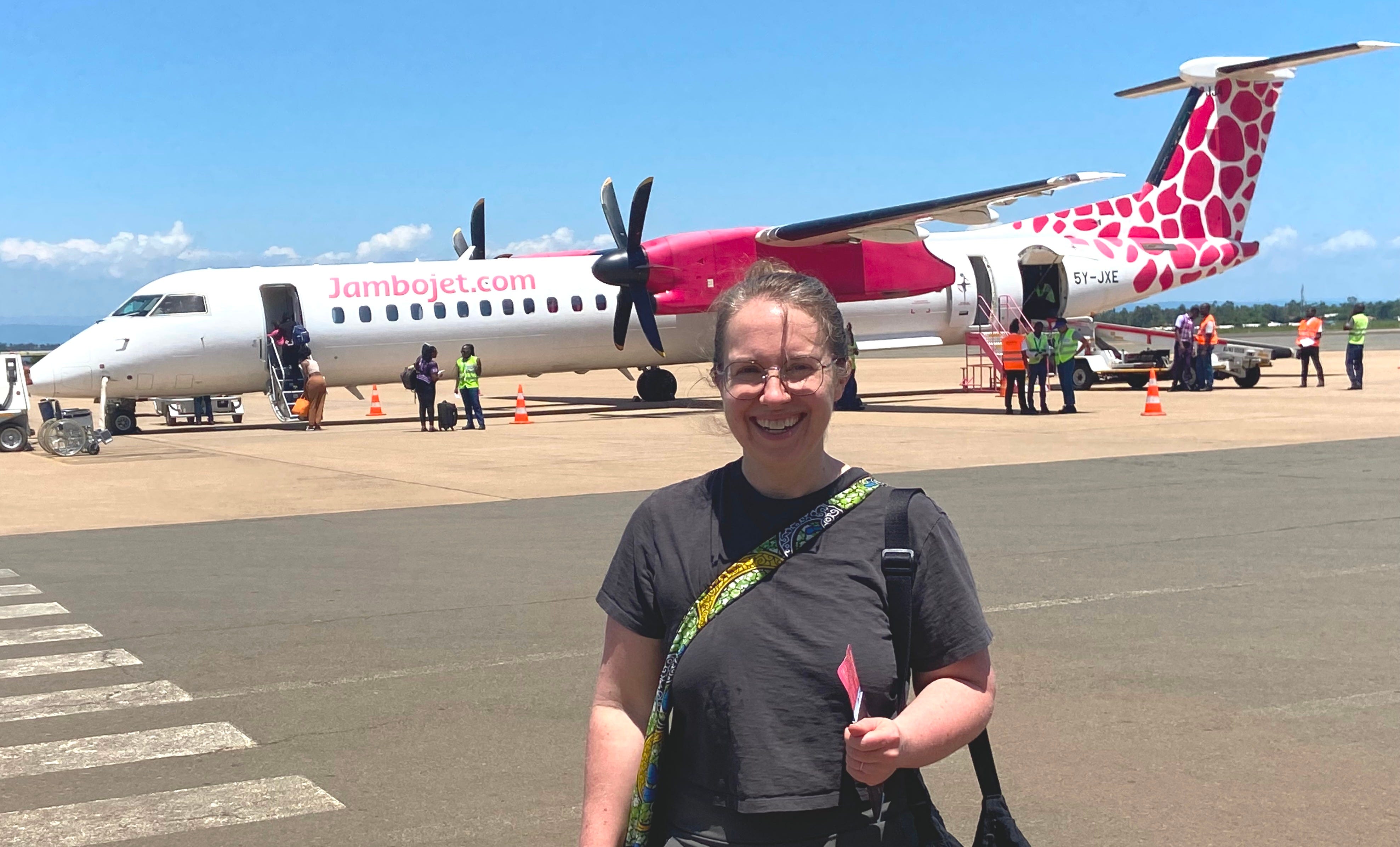
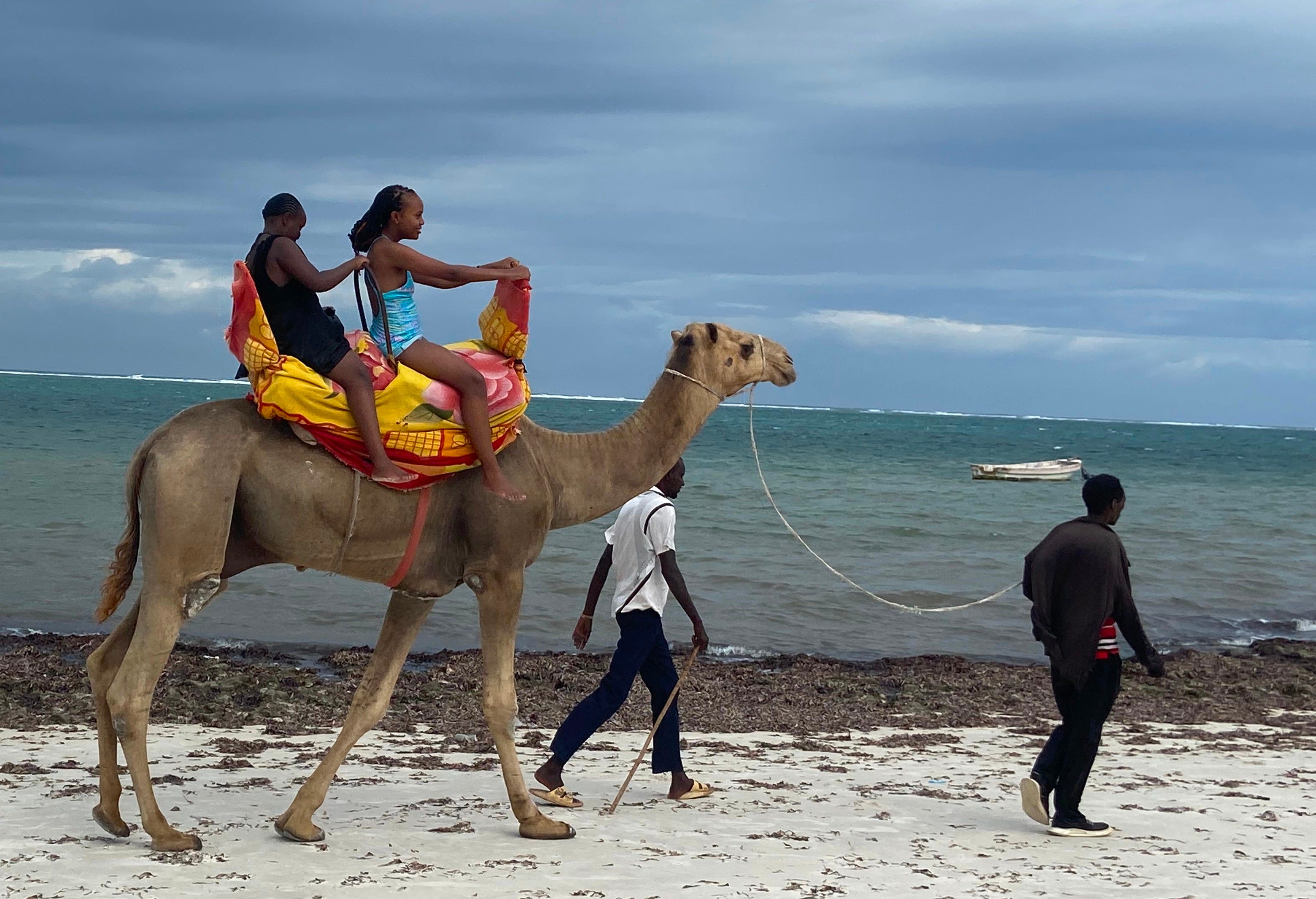
It has been a joke for years that my family has no clue what I do. To their credit, what even is “research strategy”? At NIH, sometimes I flew to places that sounded fun yet terrifying (Mombasa, Kenya; Cape Town, South Africa; Lusaka, Zambia), then complained that I had spent the whole day in a conference room. My trip photos were 75% PowerPoint slides and flip charts, but also a camel on the beach and dinner on a boat.
Was there a specific moment — a conversation, a place, a project — when you knew global development was your path?
When I balked at being offered an agroforestry assignment with the Peace Corps (I did not even have a plant in my downtown apartment), my recruiter told me I would end up working at the intersection of whatever the community needed and where I had a skill or interest. Sure enough, by my second year as a Peace Corps Volunteer in Cameroon I was working with community health centers on feeding programs for pregnant women.
Peace Corps’ focus on community needs and priorities enabled me to meet with community members, talk with health workers, and simply observe what the needs were. I had the freedom to create something with people. Sometimes it worked. Sometimes it did not. But it always succeeded or failed with the community behind it, and we learned from that process. In the end, the learning is the success.
My host country counterpart was my biggest collaborator. When his wife got pregnant, he was all in on making sure she got a varied diet throughout the day. He went absolutely wild during carrot season. And I was hooked on health work.
What’s one project outcome you’re most proud of that you can point to and say “that’s still standing”?
I am one of the founding directors of the Adolescent HIV Implementation Science Alliance (AHISA). Right before my position was terminated at NIH, we were wrapping up an eight-year evaluation that showed our work contributed to $76 million in follow-on funding to continue conducting research, novel academic and community partnerships, and the adoption of evidence-based policy addressing HIV in three countries. Work we believe will create improved health outcomes for youth.
The alliance was initially canceled along with so many other programs, but the importance of the work was recognized and brought back. The work across AHISA is still coming out as our partners continue to do amazing work.
The Realities
Their take on what’s working, what’s not, and what needs to change.
What’s one criticism of global development you’ve heard a hundred times that drives you nuts? How do you respond to it?
“Why should we invest in research abroad when we have problems here in the US?” I hate the idea that there is the US and then everyone else, as if global health is not about all of us. If we learned nothing else from the COVID-19 pandemic, it is that things spread too quickly to pretend we are not part of one whole. There is so much we could learn from other countries that we simply never see because we are too busy assuming we have nothing in common.
This is also not a new problem. During the Biden administration, there was the White House Conference on Hunger, Nutrition, and Health that largely ignored the wealth of knowledge and experience from global health research. The missed opportunity to learn from what works elsewhere is a pattern, not an exception.
What worries you most about where global development is headed? What feels different this time?
I worry that we are going to learn the wrong lessons. While there is certainly some positive deviance that shows us new ways of doing things, some of these are outliers that can never be replicated. We tend to over learn from success stories and underinvest in understanding the conditions that produced them. The result is that we copy the visible features while failing to explore the underlying reasons something succeeded in the first place.
⚡ Speed Round
Three things that must change for global development to work well in the future.
Meaningful co-creation partnerships — we have to move beyond “on paper only” collaborations.
Rapid research — we cannot give up evidence in the name of speed, but we also cannot keep waiting years for randomized control trials.
Translation and mutual learning — we need to be learning across countries in real time.
One buzzword you never want to hear again?
“Developed or developing countries”
It implies that some have achieved success while others are less advanced, and that all countries follow the same path of progress.